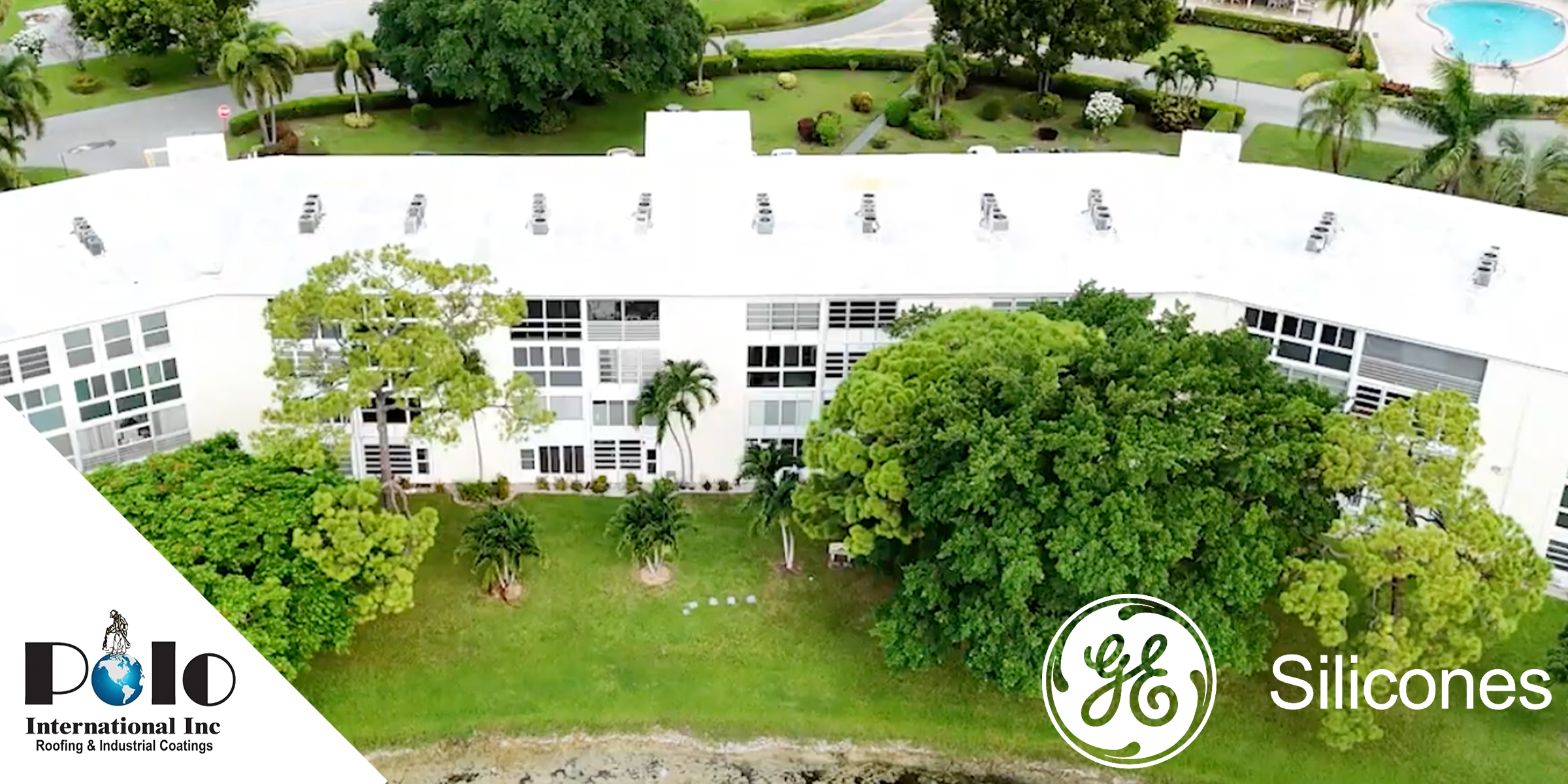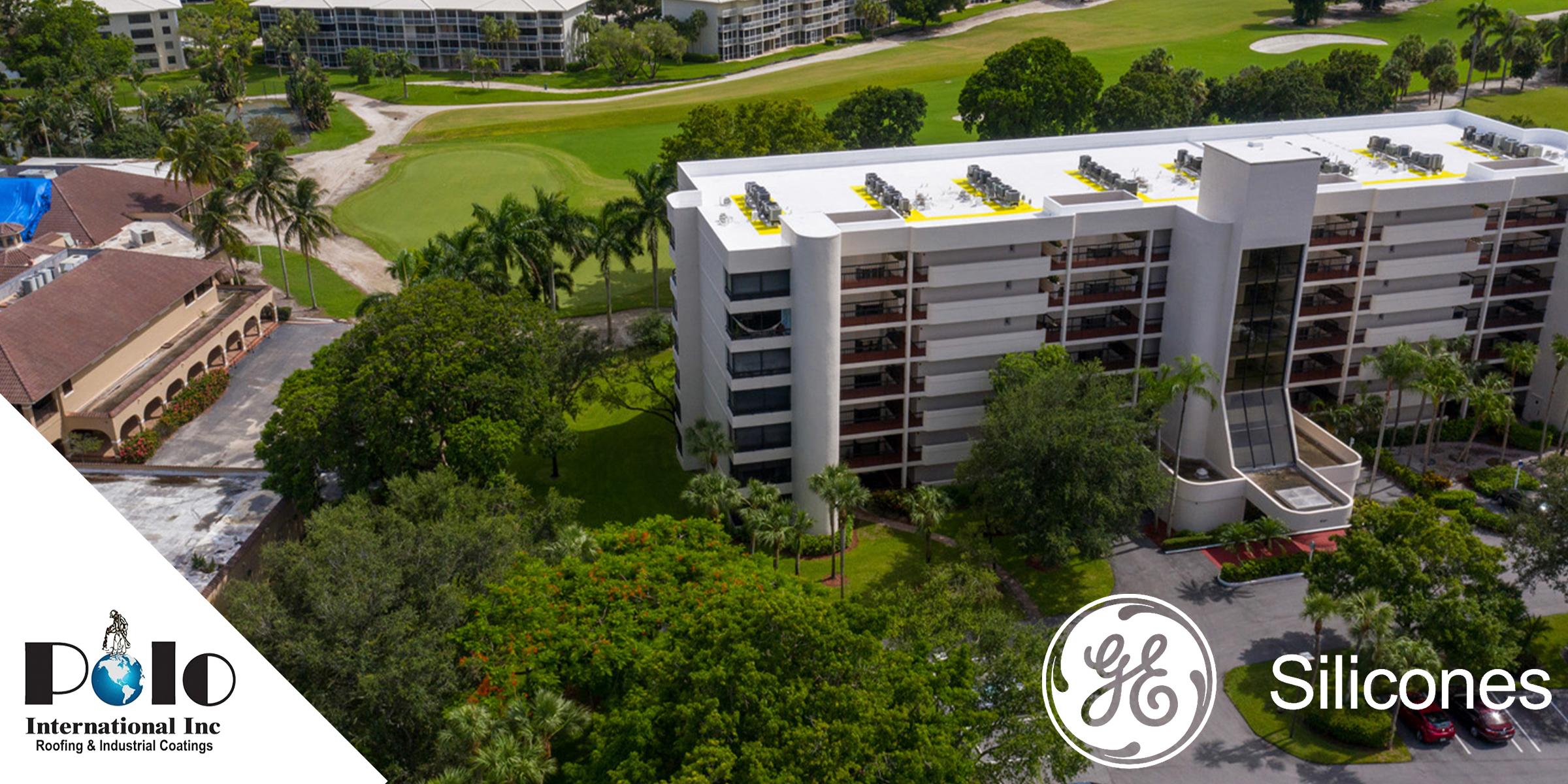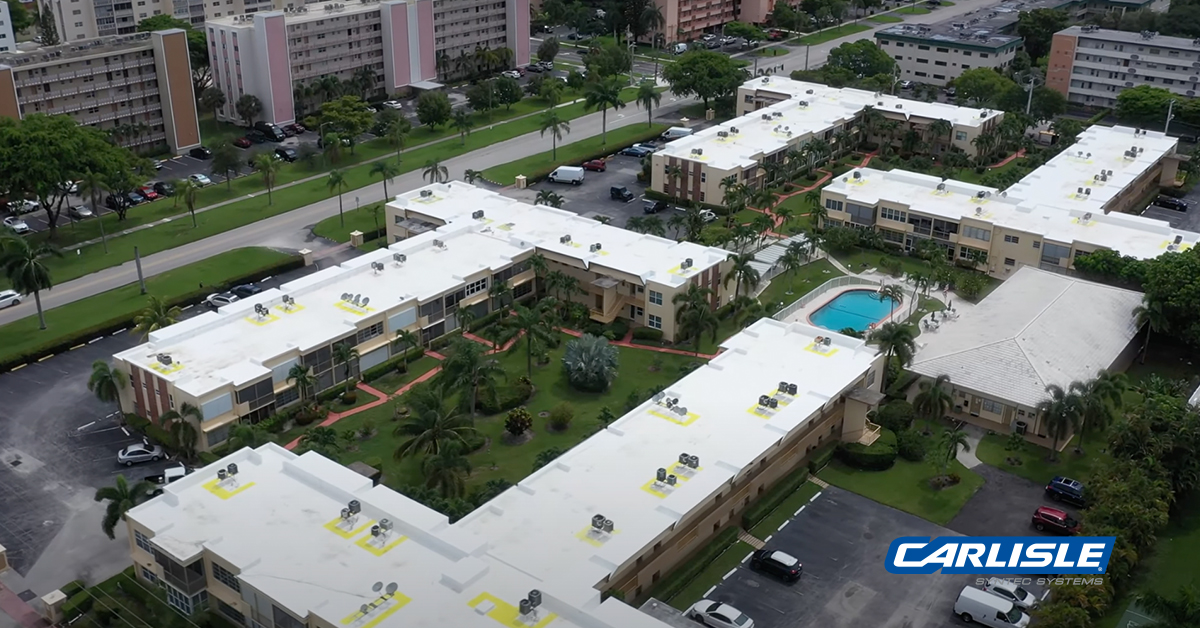
Is your commercial roof ready for the winter’s challenges? With the onset of freezing temperatures and snowfall, building owners and managers must defend their properties against leaks and thermal inefficiency. Traditional roofing often struggles in cold conditions, yet retrofitting roofs with spray foam offers a resilient and efficient alternative, effectively combating winter’s harshest elements.
The Power of Spray Polyurethane Foam (SPF) Coatings
SPF coatings form an insulating barrier that retains warmth and blocks cold air from penetrating, requiring less energy to maintain internal temperatures. This seamless application reduces the risk of leaks from ice damming and heavy snow—common issues with many roofing types. Utilizing solutions from renowned manufacturers such as GE Silicone, Carlisle, or HENRY Co. ensures enhanced protection, lower heat loss, and reduced energy bills.
One of the most significant advantages of SPF roofing is its durability and minimal maintenance needs, making it a wise investment. Equip your commercial property with spray foam roofing this winter to confidently face the most frigid weather conditions.
SPF’s Performance in Extreme Cold
In commercial roofing, enduring extreme temperatures is vital for long-term performance and durability. For property owners in harsh climates, understanding SPF’s resilience in cold environments is critical. SPF roofing systems excel in repelling cold weather, providing reliable protection to commercial properties throughout severe winters.
The closed-cell foam structure of SPF acts as a barrier against air and moisture, key troublemakers for conventional roofing during cold months. The excellent R-value of SPF minimizes heat transfer, a crucial benefit for retaining heat during winter. Furthermore, SPF’s seamless application eliminates potential weak points, such as seams, that could let in cold air. This is essential in preventing ice dams formed by escaping interior heat—melting snow refreezes at roof edges, causing damage.
Manufacturers like Carlisle, HENRY Co., and Manta tailor their SPF for sub-zero performance. Their products retain flexibility, adapting to temperature changes without cracking or compromising structural integrity. Additionally, SPF’s reflective surface minimizes heat absorption on sunny winter days, mitigating thermal expansion in cold environments, another factor that can damage roofing systems over time. SPF’s inherent water-resistant qualities combat ice and snow-induced water exposure, safeguarding the roof and building structure.
Cost-Efficiency and Energy Savings with SPF
Particularly beneficial in cities like Chicago, Minneapolis, and Detroit, SPF roofing mitigates energy costs. As heating bills rise in winter, SPF’s energy-efficient design reduces heating system demands, cutting operational costs and energy consumption. For property managers and owners, using SPF systems from trusted brands like GE Silicone and Everest Systems ensures robust protection against extreme winter challenges. Their premium formulations keep the SPF effective, even in climates with temperatures well below freezing.
Real-World Success with SPF Roofing
Case Study 1: Chicago, IL
A retail chain in Chicago consistently faced ice dams and leaks with a traditional roof. Retrofitting their roofs with spray foam from GE Silicone revolutionized their approach by providing seamless insulation that led to lower energy costs and improved protection against severe weather. There were no reported leaks for three winters.
Case Study 2: Minneapolis, MN
An industrial facility in Minneapolis needed a roof to withstand brutal wind chills and thermal bridging. Opting for a spray foam roof by Carlisle provided enhanced insulation and flexibility in cold weather, significantly lowering HVAC costs and maintaining steady internal conditions for both equipment and employees.
Case Study 3: Boston, MA
An office building in Boston utilized HENRY Co.’s SPF roofing to fight the weight of snow and fluctuating temperatures. The foam’s expanding capabilities prevented roof damage, resulting in zero snow-related issues during the severe 2021 winter.
Strategic Benefits of SPF Roofing
High-quality systems provide comprehensive protection for commercial properties, turning them into a well-secured, energy-efficient investment throughout winter’s harshest conditions.
Frequently Asked Questions
1. Can existing roofing systems be retrofitted with spray foam for better winter performance?
Yes, applying SPF over existing roofs increases insulation, prevents heat loss, and resists winter weather’s harshest elements. This retrofit method is seamless, adhering to most substrates for improved energy efficiency.
2. How does spray foam roofing interact with thermal expansion in cold environments?
SPF adjusts to temperature fluctuations without damage, maintaining structural integrity. Its flexibility stops issues like splits common to traditional materials, thereby preserving rooftop cohesiveness.
3. How effective is SPF in extreme cold?
SPF excels in extreme cold with superior thermal resistance and energy efficiency. Manufacturers like GE Silicone and Everest craft SPF to withstand brutal winter climates, ensuring lasting durability.
By aligning with trusted SPF roofing manufacturers, commercial property managers can confidently embrace winter, ensuring longevity and efficiency for their buildings in frigid climates.