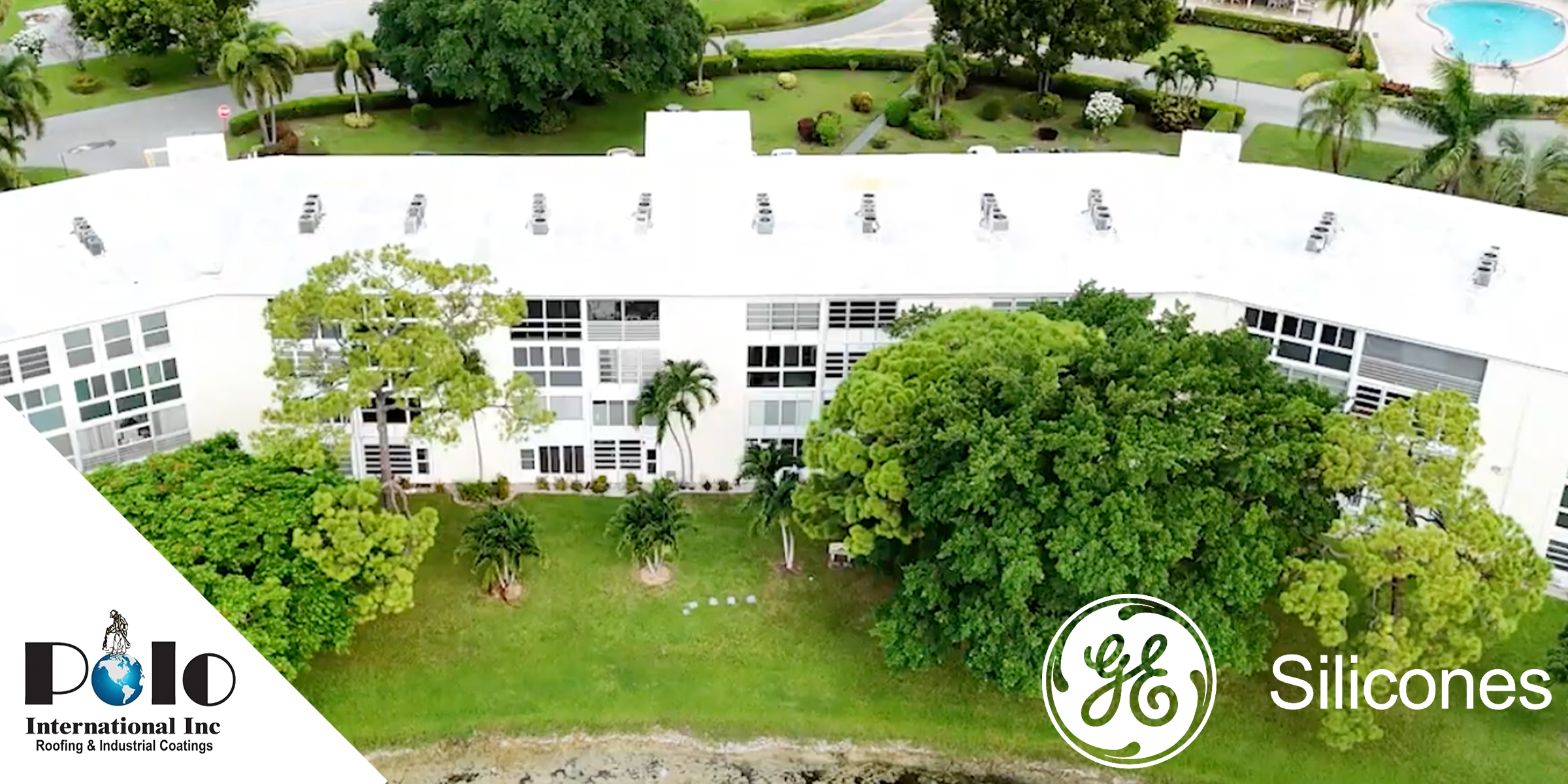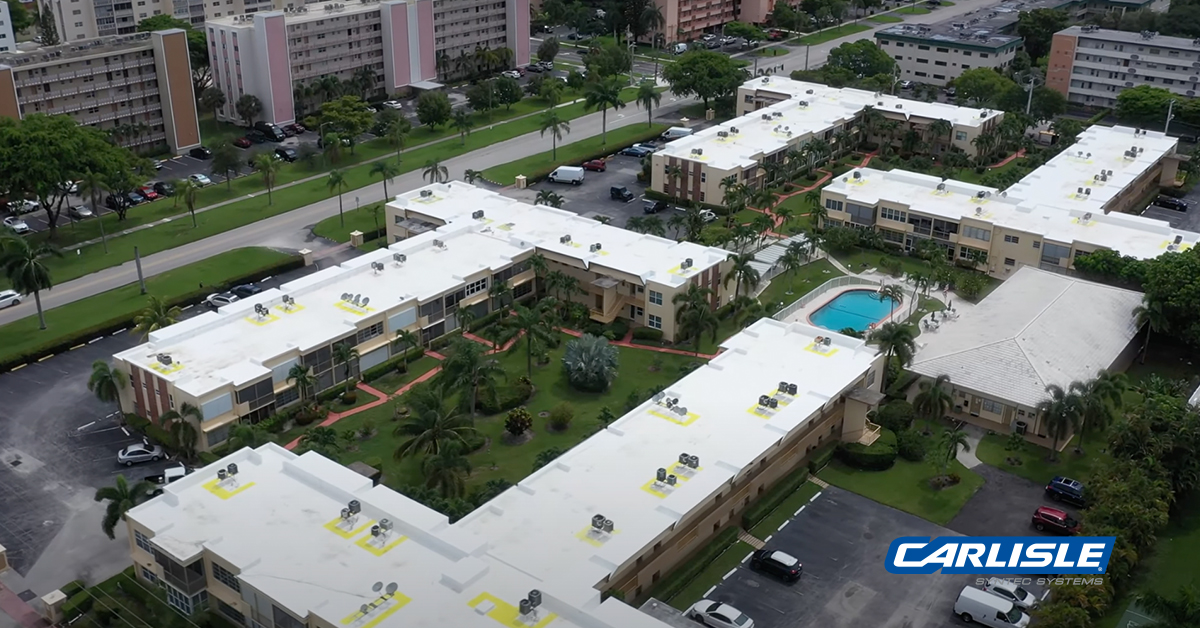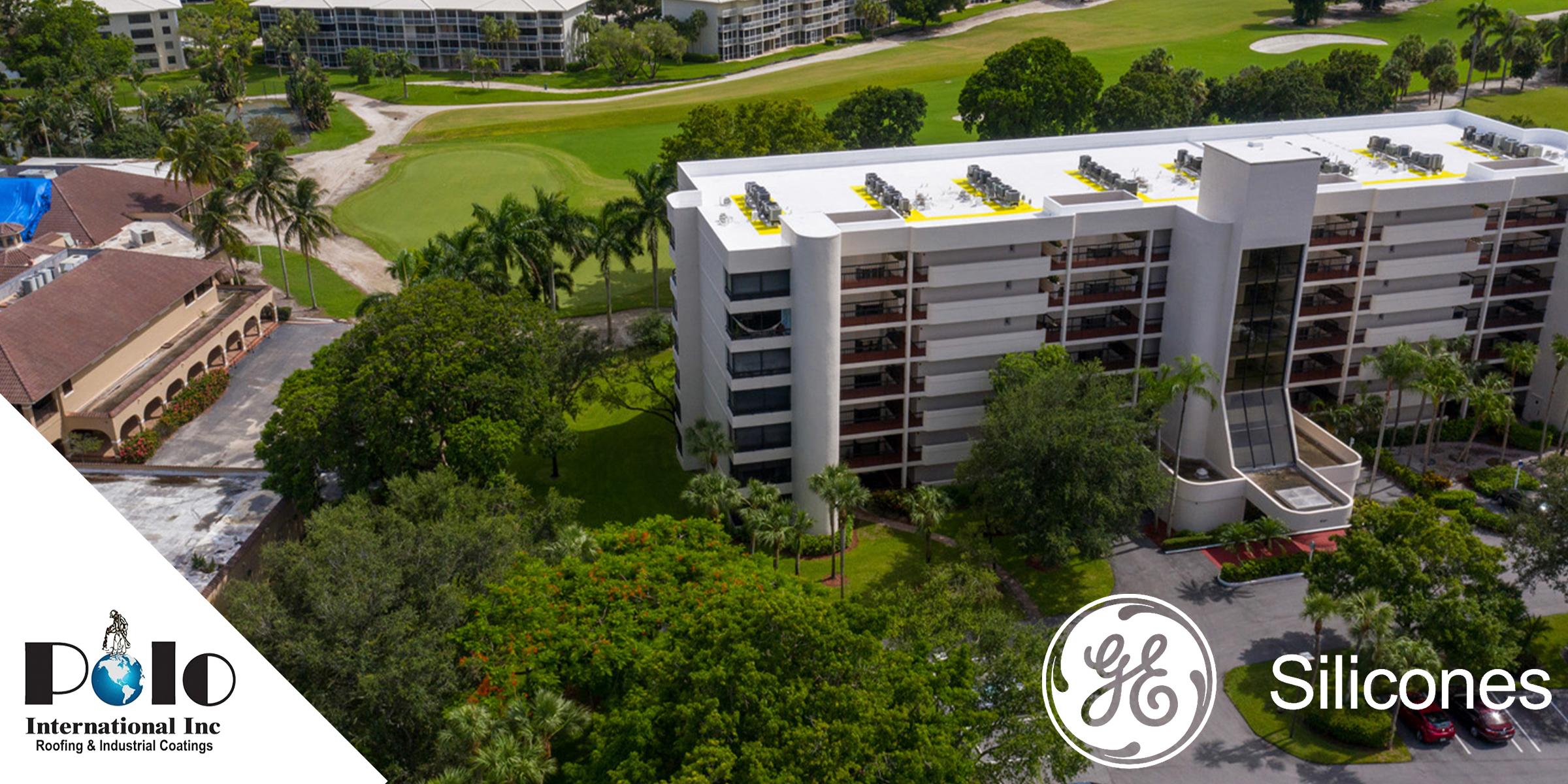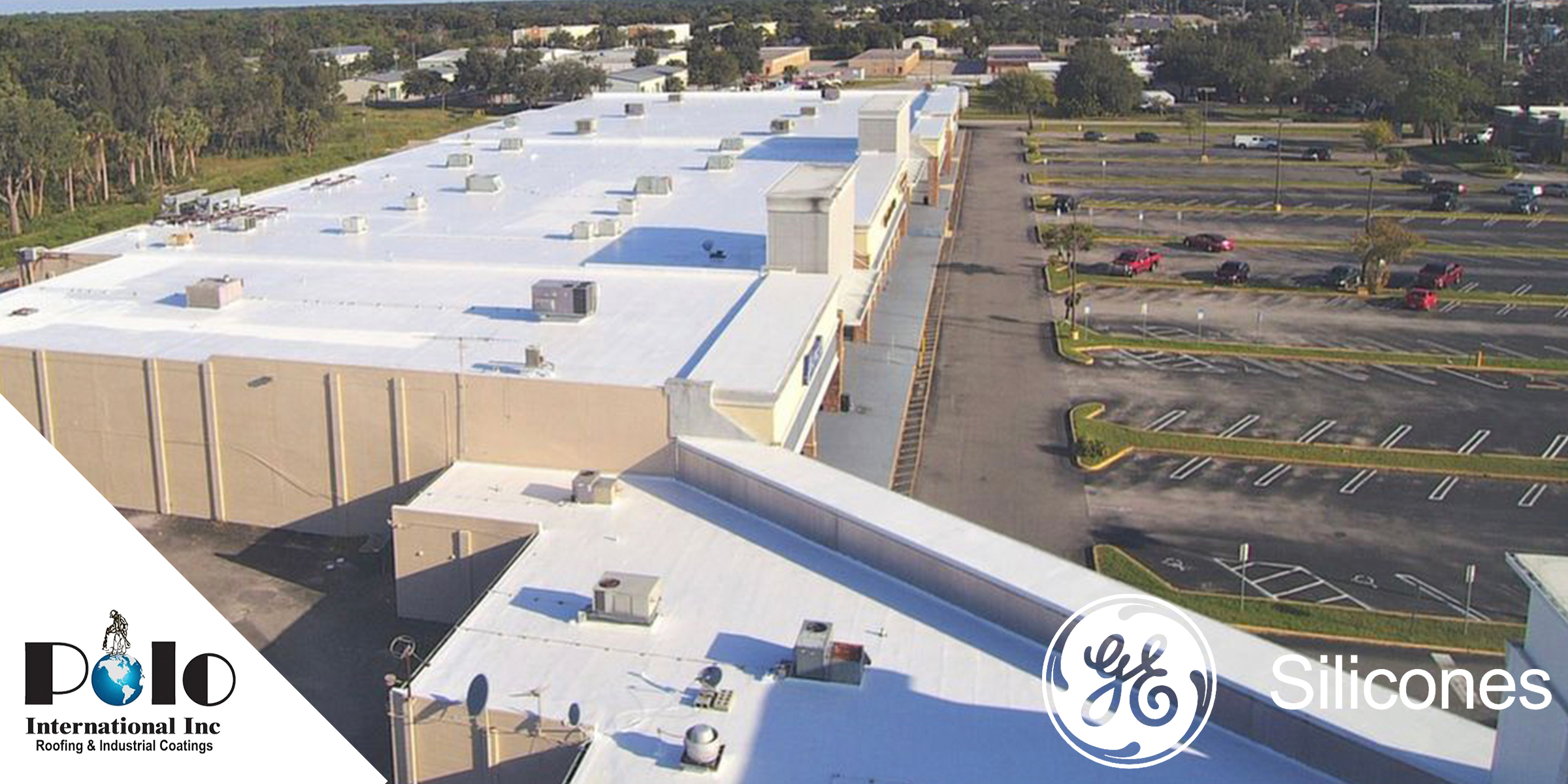
Maintaining the integrity of a commercial building is a significant responsibility, especially concerning the roof. How can Spray Polyurethane Foam (SPF) roofing systems transform your property’s durability and energy efficiency? SPF roofing is an advanced solution that not only extends the lifespan of a building’s roof but also substantially lowers energy costs. Unlike traditional roofing materials, SPF creates a high-performance barrier by seamlessly adhering to the surface, enhancing both energy savings and structural integrity.
This innovative roofing approach offers superior insulation, reducing energy costs by easing the load on HVAC systems. Major manufacturers such as GE Silicone, Carlisle, HENRY Co, and Everest Systems have optimized these systems to safeguard against leaks and withstand extreme weather conditions. SPF roofing, when applied by skilled professionals, becomes a durable, versatile option for any commercial property. Moreover, its reflective surface reduces heat absorption, contributing to a more eco-friendly footprint. Harness the power of SPF roofing to reinforce your building’s roof and prolong its lifespan.
Spray foam roofing stands out as a premier option for those seeking to reinforce the durability of commercial roofs. Made from a combination of isocyanate and polyol resin, SPF offers unmatched protection and durability. Unlike traditional roofing materials, spray foam roofing reinforcement signs include its seamless application, which eliminates the need for mechanical fasteners and reduces potential weak points in the roof structure.
One primary way that spray foam enhances a roof’s structural integrity is through its seamless barrier. Upon application, SPF expands up to 20 times its liquid volume, forming a solid, continuous barrier. This covers every corner and protrusion, preventing water and debris infiltration. The risk of leaks, which can severely damage a roof’s longevity, is significantly reduced with SPF’s seamless nature.
Additionally, SPF roofing is highly flexible, crucial for withstanding structural stress. It endures a wide range of temperature changes, stretching and returning to its original form without compromising integrity. This elasticity is vital in cities like Phoenix, AZ, or Denver, CO, where dramatic temperature shifts are frequent.
Finding an Advantage
Another key advantage is its excellent adhesion, bonding to materials like concrete, metal, wood, and other existing roof systems. This strong bond secures the SPF roof during severe weather, shielding the structure beneath from storm damage. Its high tensile strength provides resistance to wind uplift, a crucial feature in hurricane-prone regions such as Miami, FL, and Houston, TX.
The integration of silicone coatings from manufacturers like GE Silicone or Carlisle adds another layer of defense over SPF. These coatings offer UV protection and increase resistance to elements, delaying weathering. The silicone surface also improves resistance to ponding water, enhancing drainage for flat-roof structures.
SPF’s thermal insulation also contributes significantly to its durability. Its high R-value reduces thermal bridging, a common cause of structural stress in traditional roofs. By maintaining stable temperatures within the building envelope, SPF minimizes thermal expansion and contraction, further extending the roof’s life span.
Incorporating spray foam roofing results in lower maintenance needs. Its resilient nature reduces repair frequency from wear and tear, cutting maintenance costs over time and reinforcing its advantage as a durable choice. In urban areas like New York, NY or San Francisco, CA, where environmental and sustainability considerations are prioritized, SPF roofing can be particularly beneficial. With its reflective silicone layer reducing the urban heat island effect, it lowers cooling costs and extends roof life, marrying performance with eco-friendliness.
To summarize, spray foam roofing enhances structural integrity through durable, seamless applications, superior flexibility, excellent adhesion, and high insulation values. For commercial building owners, SPF roofing represents a smart investment in a solution that withstands climate challenges while offering financial and environmental benefits over the long term.
Consider implementing a robust maintenance routine to ensure ongoing optimal performance for your spray foam roof. By investing in regular inspections and timely repairs, you can preserve the roof’s integrity and extend its lifespan significantly.
FAQs on Spray Foam Roofing
How does spray foam enhance a building’s structural integrity?
Spray foam roofing enhances a building’s structural integrity by adding strength and cohesion to the roof. Its closed-cell structure allows for excellent adhesion to the surface, resisting external pressures like wind uplift and preventing water penetration. Its lightweight nature reduces stress on the building, securing structural stability over time.
Are there signs indicating a need for spray foam roofing reinforcements?
Signs that indicate the need for reinforcements include visible cracks, ponding water, and a rise in energy costs due to decreased insulation efficiency. If the roof is over 10 years old, it might benefit from an inspection to assess its condition. Regular checks help identify these issues early, allowing for timely reinforcements.
How can you prolong the life of a spray foam roof?
To prolong a spray foam roof’s life, conduct regular inspections and maintenance. Clean the surface, ensure proper drainage, and check for damage. Reapply protective coatings every 5-10 years to maintain the roof’s properties. Establishing a maintenance schedule extends its lifespan, ensuring continued protection and efficiency.