How Spray Foam Roofing Revitalizes Old Structures
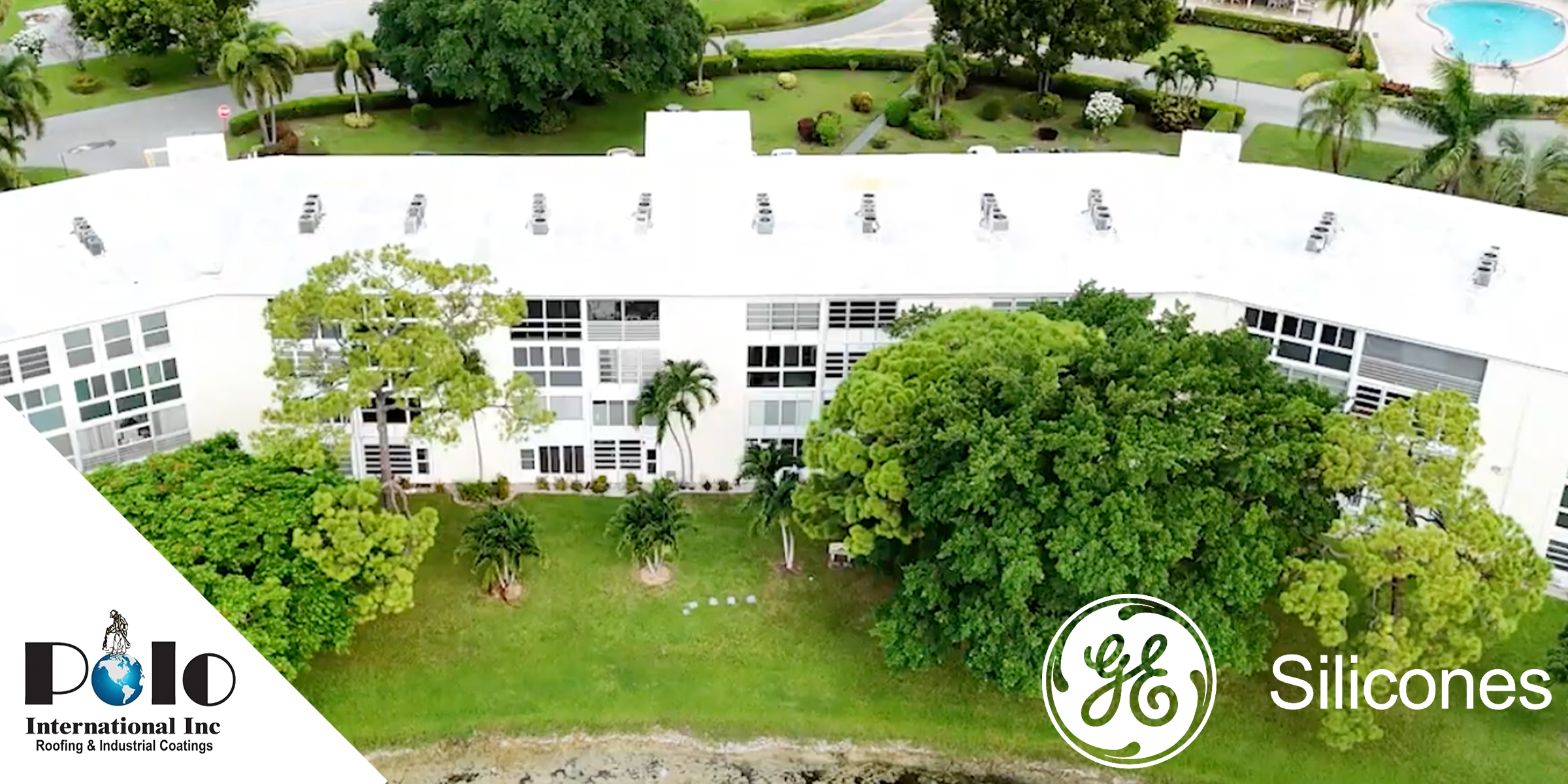
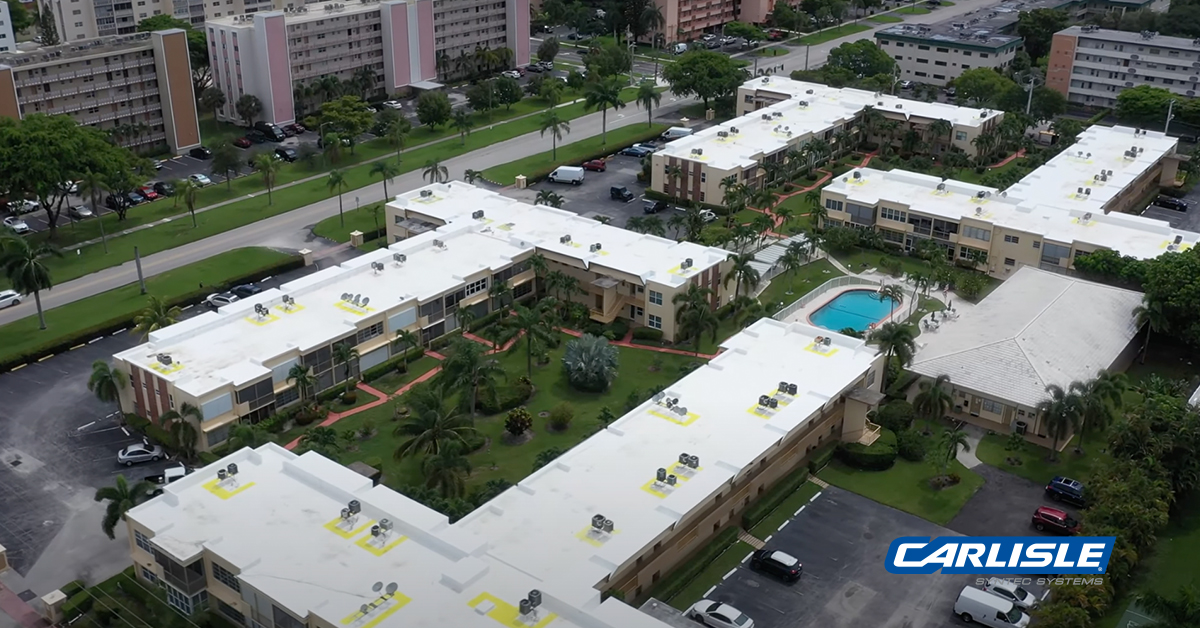
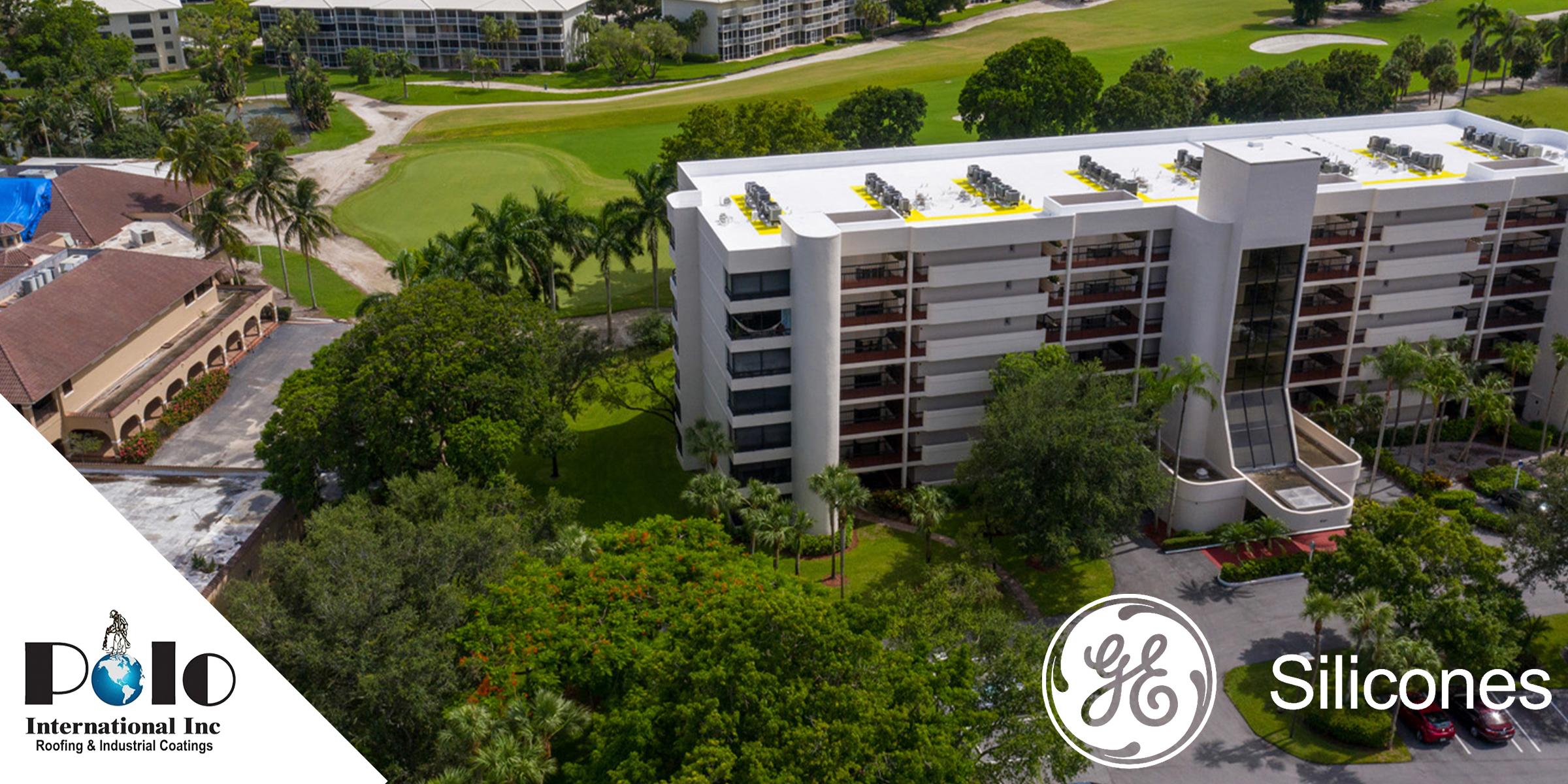
Effective roof maintenance is crucial for the longevity and sustainability of commercial buildings. Maintaining an aging infrastructure involves more than aesthetics—it ensures the structure’s long-term functionality and safety. Among the best roofing options for commercial buildings, Spray Foam Roofing distinguishes itself by effectively extending the life of aging roofs without embarking on costly replacements. By employing a layer of Spray Polyurethane Foam (SPF), building managers can seal existing roof leaks while enhancing insulation and energy efficiency.
Noteworthy manufacturers such as GE Silicone, Carlisle, and HENRY Co offer top-tier SPF products. These products form a robust, seamless barrier that transforms dated roofs, enhancing resilience against weather extremes and reducing energy expenditures. Unlike traditional roofing solutions, SPF molds to the unique contours of aging roofs, creating a uniform layer of protection without adding significant weight.
Property managers focused on sustainability and cost-effective solutions will find spray foam roofing an excellent choice. This innovative roofing method not only strengthens the structural integrity but also enhances building performance, leading to long-term savings and reduced environmental impact. As decisions are made regarding the best maintenance strategies for existing buildings, spray foam stands out as a practical and efficient approach.
Revitalization Techniques
Revitalizing older commercial structures begins with a comprehensive assessment of the roof to understand its current condition. This evaluation informs the preparation level required before the SPF coating system is applied. Roof maintenance tips recommend cleaning the surface thoroughly to ensure that the SPF adheres correctly. Removing dirt, debris, and previous coatings is essential to the success of the SPF application, as any contaminants can compromise this process.
SPF is applied as a liquid, expanding into a foam that forms a seamless, waterproof barrier. Its adaptability makes it perfect for covering the diverse architectural features and irregularities often found in old structures. After the foam is applied, a protective topcoat—silicone, acrylic, or another UV-resistant material—is added to shield the SPF from the elements, especially sunlight. This UV protection is critical for prolonging the life of the SPF coating, ensuring it continues to perform effectively in sealing and insulating the roof.
Manufacturers like Everest Systems and Manta provide a broad range of high-quality materials suitable for various performance needs and environmental conditions. Utilizing materials from these established brands ensures enhanced durability and energy efficiency for commercial property owners.
Regular maintenance and inspections are crucial to extend the roof’s lifespan and guarantee its ongoing performance. These inspections should account for signs of wear, damage from environmental influences, and coating integrity. Adhering to maintenance schedules helps prevent small issues from escalating into significant problems, thus safeguarding the investment in revitalization.
Using these revitalization techniques, older structures can achieve improved performance, leading to reduced operational costs and enhanced energy efficiency. This process not only protects the roof but revitalizes the entire structure through enhanced weather resistance and energy management.
Preservation Strategies for Aging Structures
Spray foam roofing supports preservation strategies for older commercial structures by employing high-quality materials from industry leaders like GE Silicone and Carlisle. These spray foam systems provide a seamless, weather-resistant layer that can significantly improve the durability of older roofs.
Spray foam roofing is particularly beneficial for maintaining temperature control within a building. SPF’s insulating properties mitigate energy loss, which is crucial for keeping indoor environments stable, especially in older structures with less efficient insulation. The application of SPF can noticeably reduce heating and cooling costs by limiting heat transfer through the roof.
Adaptive to varying surfaces, spray foam effectively covers irregular areas, filling gaps, and sealing openings that could lead to moisture infiltration. Addressing these vulnerabilities helps prevent issues like mold growth and structural damage, common concerns for older properties.
Moreover, the lightweight nature of spray foam roofing imposes minimal stress on existing structures, making it an ideal solution for buildings where traditional roofing materials could add problematic weight. The lightweight characteristic ensures the structural integrity of the building is maintained, extending the roof’s life without compromising safety.
Cost-effective maintenance is another advantage of SPF roofing. With professional application using products from Everest Systems or Manta, the need for frequent repairs is reduced. The resilience of SPF against typical roofing challenges means that ongoing maintenance expenses are also significantly minimized, contributing to long-term savings.
The UV protection capacity of spray foam roofing is another preservation benefit. SPF roofs protected by a reflective silicone coat guard against UV exposure’s degrading effects, a key factor in extending the lifespan of roofing materials. Proper maintenance of this protective coating can significantly impact the roof’s ability to withstand the elements over time.
Adopting spray foam roofing as a preservation strategy is both practical and environmentally responsible. Its insulating properties aid in reducing energy consumption, aligning with sustainable building practices that are increasingly essential for property managers and building owners. Moreover, spray foam systems are renewable through simple re-coating, further enhancing their eco-friendly profile.
In conclusion, spray foam roofing offers a comprehensive approach to preserving older commercial buildings. It improves durability, boosts energy efficiency, reduces maintenance needs, and supports sustainability goals—all critical factors in the longevity and operational efficiency of aging structures. With careful implementation of SPF solutions from reputable suppliers, preserving aged infrastructure becomes not only feasible but also an economically sound decision for commercial property stakeholders.