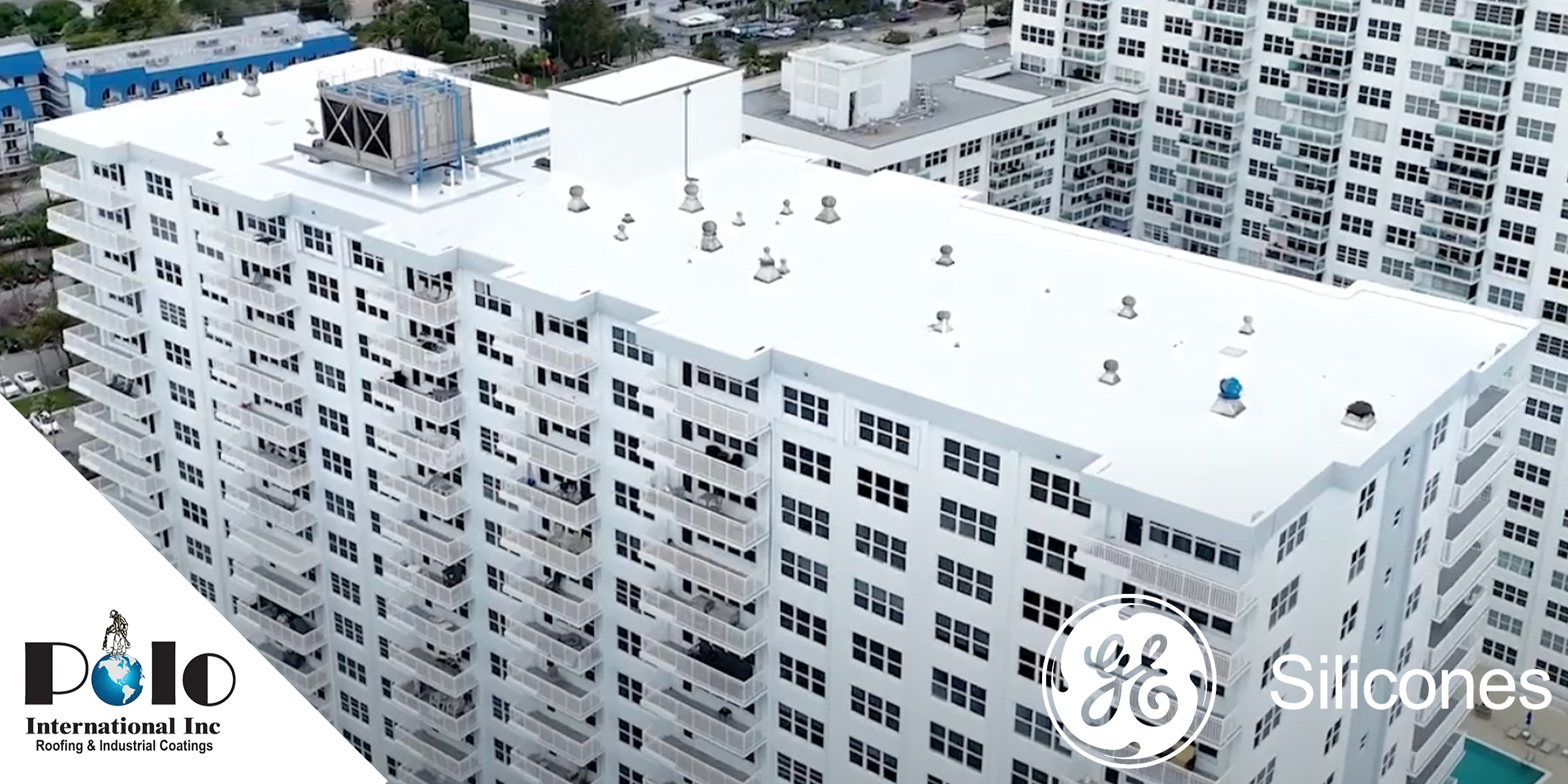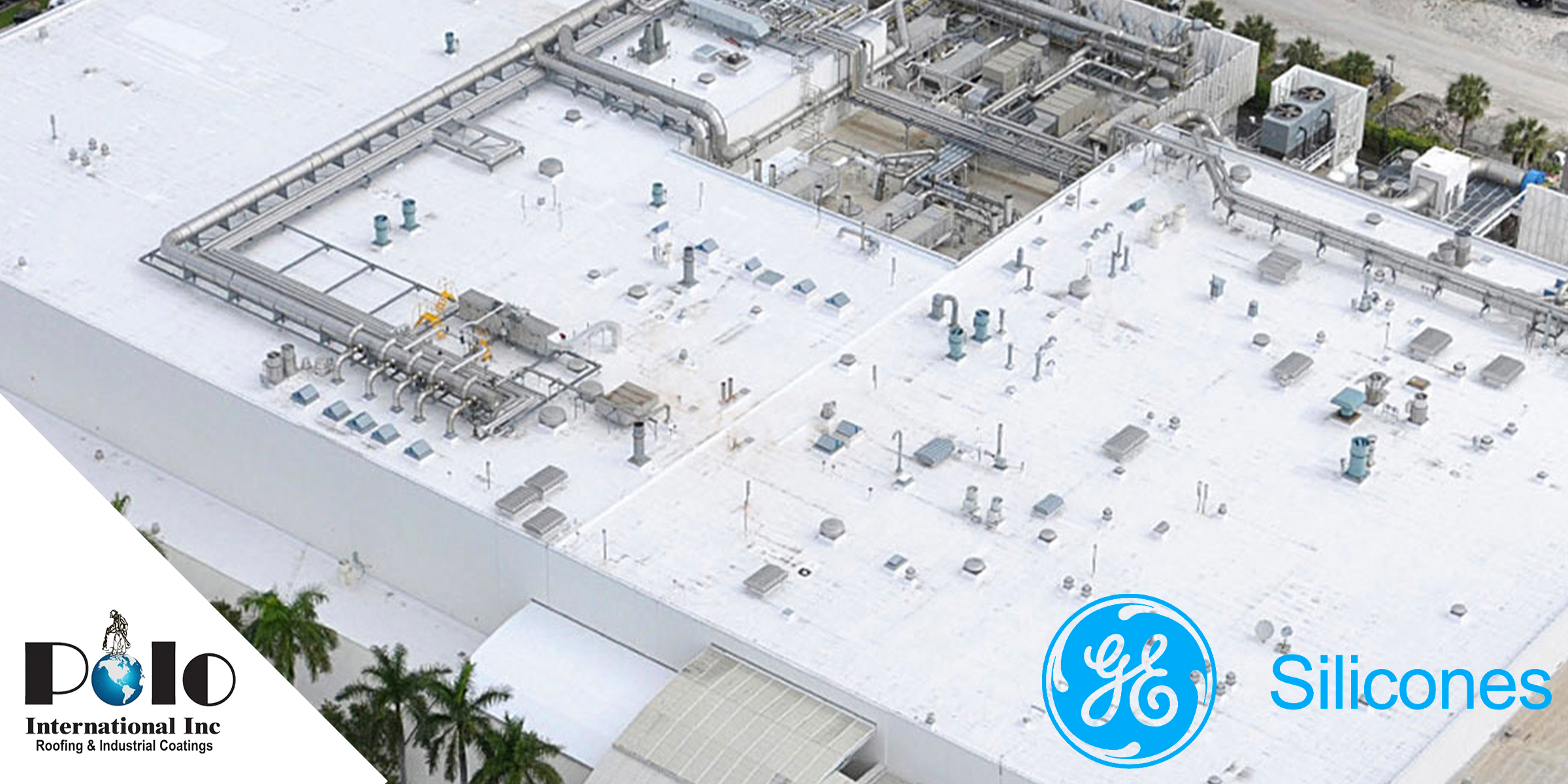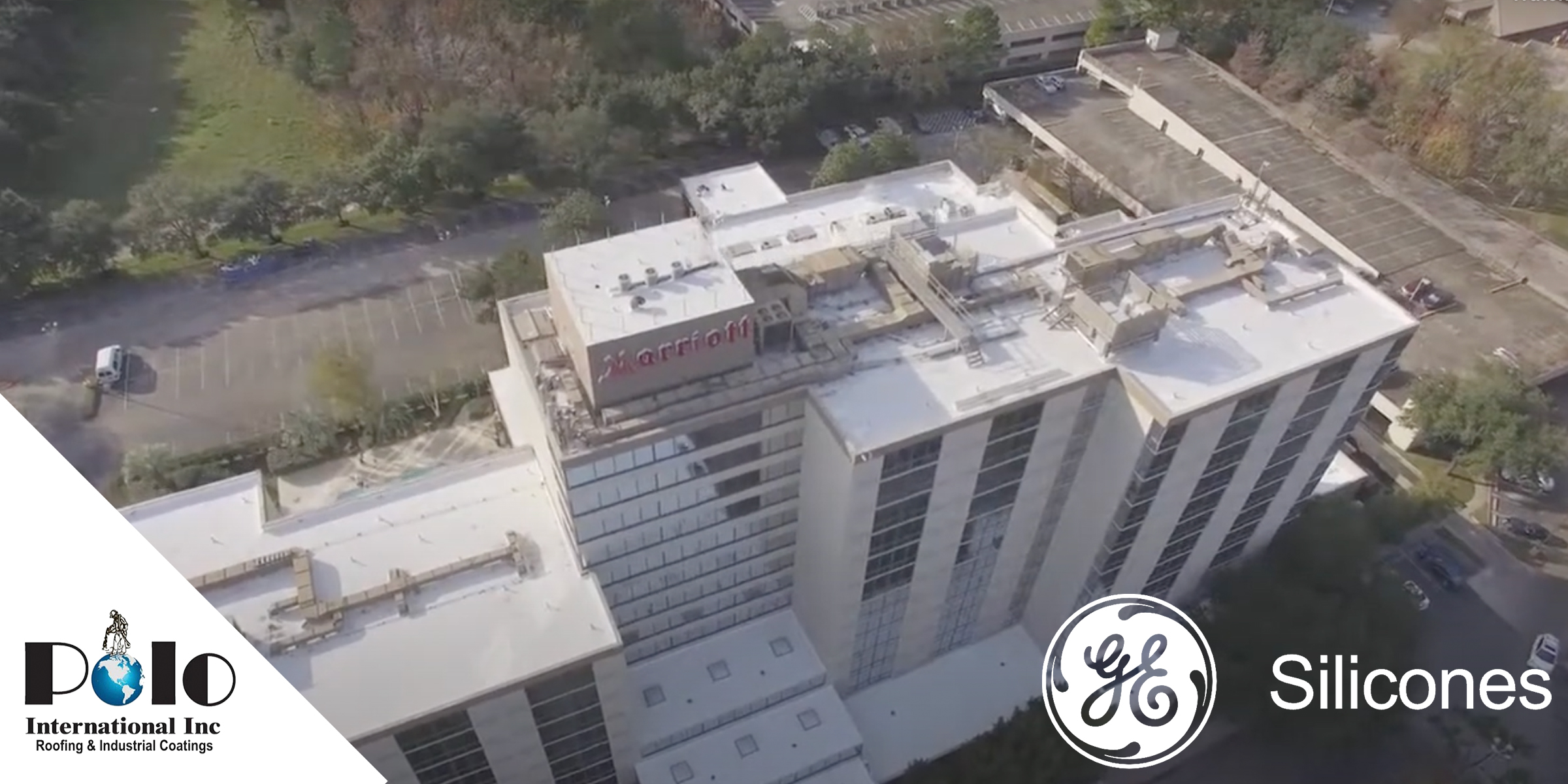
Winter weather presents a notable challenge for commercial building owners striving to maintain a consistent indoor environment. Have you examined how your building’s roof can help keep the cold out? Spray Polyurethane Foam (SPF) roofing could be the solution you need. Esteemed manufacturers like GE Silicone, Carlisle, and HENRY Co have developed SPF coatings that offer superior weather resistance, creating a robust barrier against harsh elements.
This cutting-edge roofing system stands out due to its seamless application and insulation efficiency, ensuring that heat within the building is retained while cold air stays outside. For property managers and building owners, understanding the benefits of SPF roofing is crucial in enhancing your building’s energy efficiency and weather resilience. With the right SPF system, energy bills can be reduced, and your building’s interior can remain comfortable throughout the harshest winters. Let’s explore the advantages of SPF roofing, focusing on SPF roofing heating system usage and SPF roofing lifespan during winter.
Why SPF Offers Better Weather Resistance than Alternatives
Spray Polyurethane Foam (SPF) roofing systems are recognized as a superior option for weather resistance compared to traditional methods. One reason SPF excels is its seamless application. When SPF is sprayed onto a roof, it forms a continuous layer without seams or joints, common entry points for water in other systems. This seamless design ensures no gaps for water penetration, enhancing the roof’s ability to prevent leaks and withstand heavy rain.
Additionally, SPF roofing systems offer exceptional thermal insulation properties. The foam’s high R-value minimizes heat loss in the winter and heat gain in the summer. For commercial building owners, maintaining consistent indoor temperatures regardless of outdoor conditions is crucial. By acting as a barrier against temperature fluctuations, SPF helps reduce energy costs related to heating, directly benefiting operational budgets through decreased heating system usage during winter months.
SPF roofs also expand and contract with the building, which boosts durability and resistance to weather-related stresses. Traditional materials like asphalt or single-ply membranes can crack under temperature changes, leading to water infiltration and structural damage over time. In contrast, the flexibility of SPF maintains the integrity of the roofing structure even under severe temperature variations, enhancing longevity and minimizing maintenance needs.
Furthermore, SPF can be applied with a reflective top coat, such as silicone from GE Silicone or Carlisle, to enhance its weather-resistant properties further. These coatings reflect UV rays, protecting the underlying foam from sun damage and reducing the overall heat absorption of the building. This reflective quality not only increases the roof’s lifespan—especially during winter—but also contributes to a cooler indoor environment, benefiting facilities in warmer climates like Phoenix, AZ, or Las Vegas, NV.
In extreme weather events, SPF roofs perform exceptionally well under wind load challenges. The strong adhesion of SPF to the roof deck makes it resistant to high winds. While traditional shingles or tiles can be dislodged during storms, SPF’s seamless adhesion means it acts as a solid barrier against wind uplift. This feature is vital in hurricane-prone areas or regions with frequent high winds. SPF roofing systems also exhibit excellent resistance to hail damage. The foam’s resilient structure can absorb the impact of hailstones, reducing the likelihood of punctures that lead to leaks. This durability under impact is a significant advantage over more brittle roofing materials, which may crack or shatter when exposed to hail.
When considering alternatives like built-up roofing (BUR), metal roofing, or modified bitumen, it’s evident that while each has merits, they often lack the comprehensive weather resistance package provided by SPF. Built-up roofing may require extra waterproofing and is generally heavier, increasing structural load. Metal roofs, while durable, can be less energy-efficient and noisier during rain or hail events.
In summary, SPF roofing systems provide a holistic weather-resistant solution by combining seamless application, superior insulation, flexibility, and durability against environmental stresses. For commercial property managers seeking to improve their building’s protection against the elements and enhance energy efficiency, SPF is a standout choice in modern roofing.
Managing Snow Loads with SPF Roofing
Spray Polyurethane Foam (SPF) roofing systems effectively manage snow loads, ensuring structural integrity and safety during harsh winter conditions. SPF roofs offer superior performance in dealing with snow accumulation compared to traditional roofing systems. One significant advantage of SPF roofing in handling snow loads is its lightweight nature. SPF does not add substantial weight to the building structure, crucial in regions prone to heavy snowfall. This feature minimizes the risk of structural stress, reducing potential damage from snow loads.
Moreover, SPF offers versatility by conforming to the unique contours of any roof, including uneven or sloped surfaces. SPF creates a continuous insulation layer free from joints or seams, which helps resist water penetration from melting snow. The insulating properties of SPF roofs significantly mitigate snow load risks. By forming an effective barrier against heat loss, SPF helps maintain building warmth. This thermal efficiency reduces snowmelt, preventing ice dam formation, which can cause significant water damage.
SPF roofing’s seamless and self-flashing nature ensures even snow load distribution, crucial for maintaining structural integrity. Unlike traditional systems with weak points, SPF spreads the load across the entire surface, avoiding stress concentrations that could lead to failures.
SPF roofs are supported by warranties and extensive testing from major manufacturers like GE Silicone, Carlisle, and Henry Co., ensuring high-performance standards. With regular maintenance and inspections, facility managers can ensure SPF roofs perform optimally, extending their lifespan during harsh winter conditions.
FAQ Section: Superior Weather Resistance of SPF Roofing
FAQ1: Can SPF roofing reduce heating system usage over the winter months?
Yes, SPF (Spray Polyurethane Foam) roofing can significantly reduce heating system usage during the winter months. The material’s excellent insulation properties help maintain a stable indoor temperature by minimizing heat loss, reducing the demand on heating systems. This translates into lower energy bills and increased energy efficiency.
FAQ2: What is the lifespan of SPF roofing under harsh winter conditions?
SPF roofing has a long lifespan, even under harsh winter conditions. Properly installed and maintained, SPF roofs can last over 30 years. The durability from manufacturers like GE Silicone, Carlisle, HENRY Co, Everest Systems, and Manta ensures resistance to temperature fluctuations and environmental stress. Regular maintenance and inspections further extend their lifespan.
FAQ3: What impact does SPF roofing have on internal temperature control?
SPF roofing significantly impacts internal temperature control. Its insulation properties prevent thermal bridging, keeping indoor environments consistently warm in winter. Acting as a weatherproof shield, SPF eliminates drafts and cold air penetration, providing comfort for occupants and maintaining optimal conditions within commercial buildings.
For commercial property owners and managers, investing in SPF roofing means a reliable defense against elements while ensuring operational efficiency and occupant comfort.