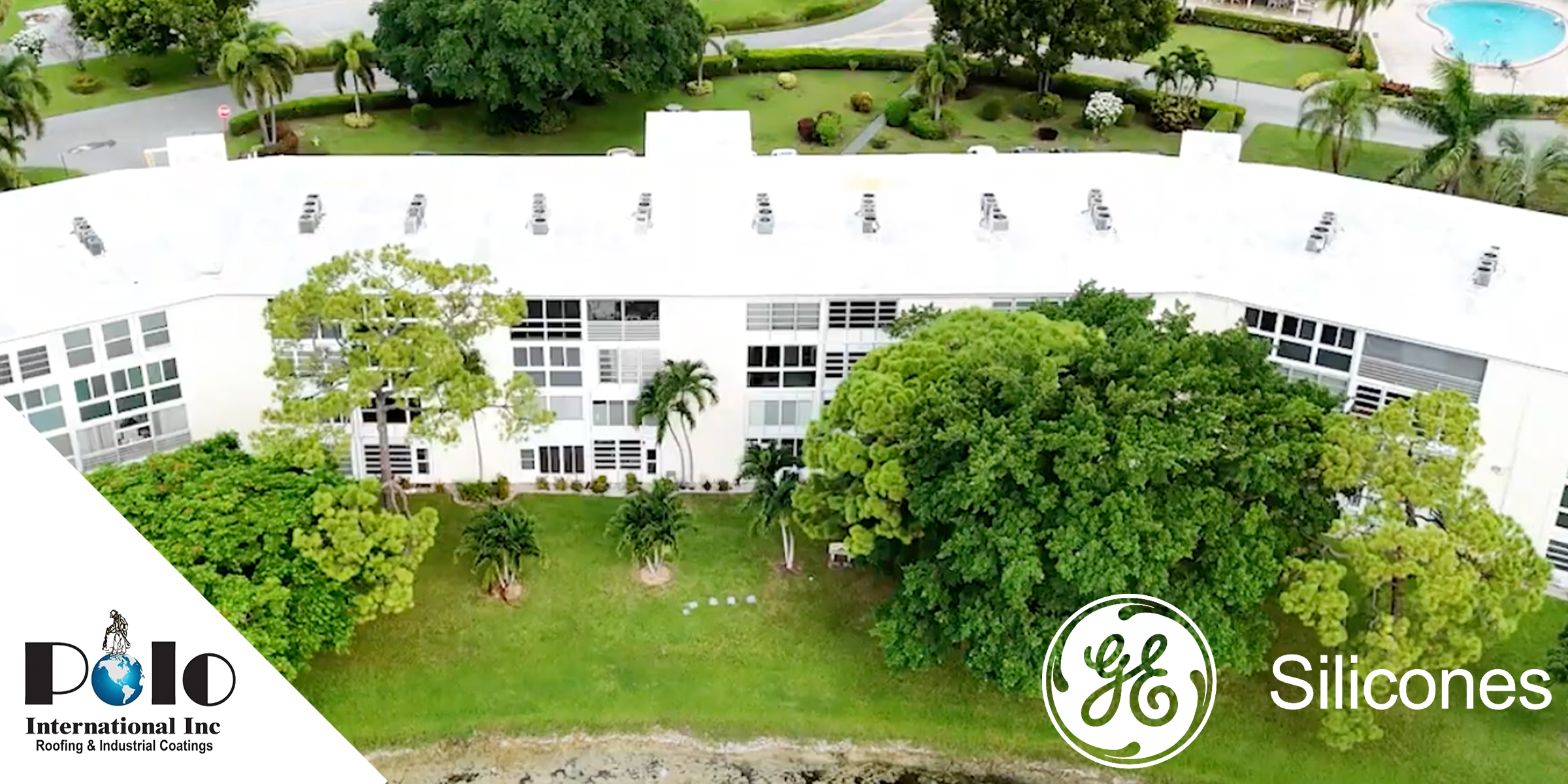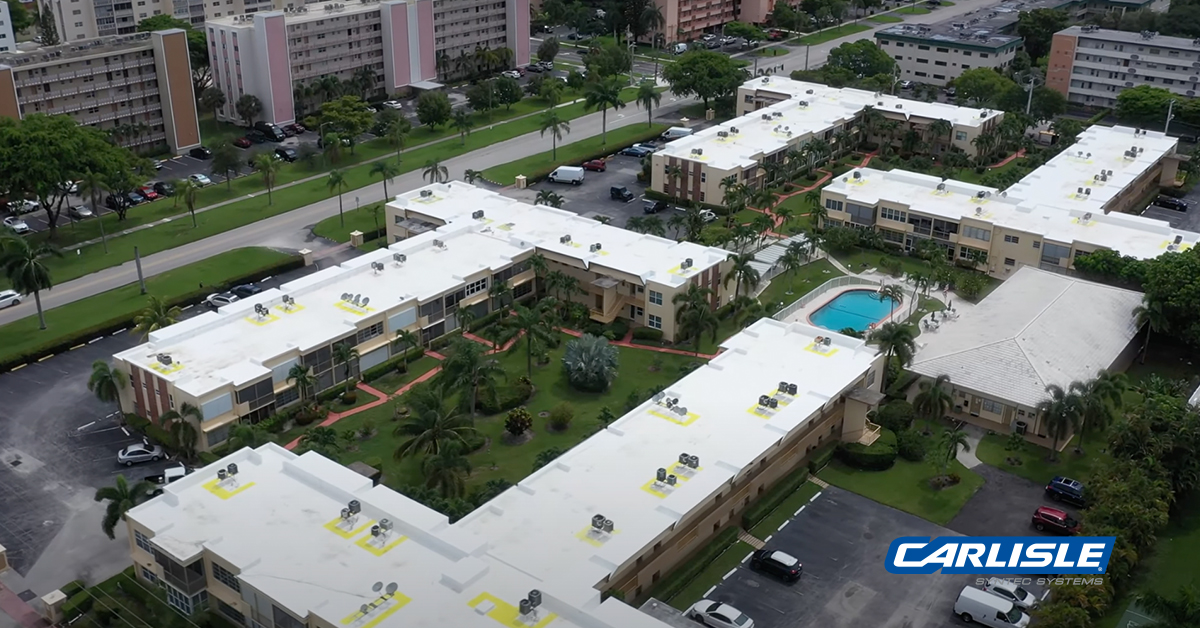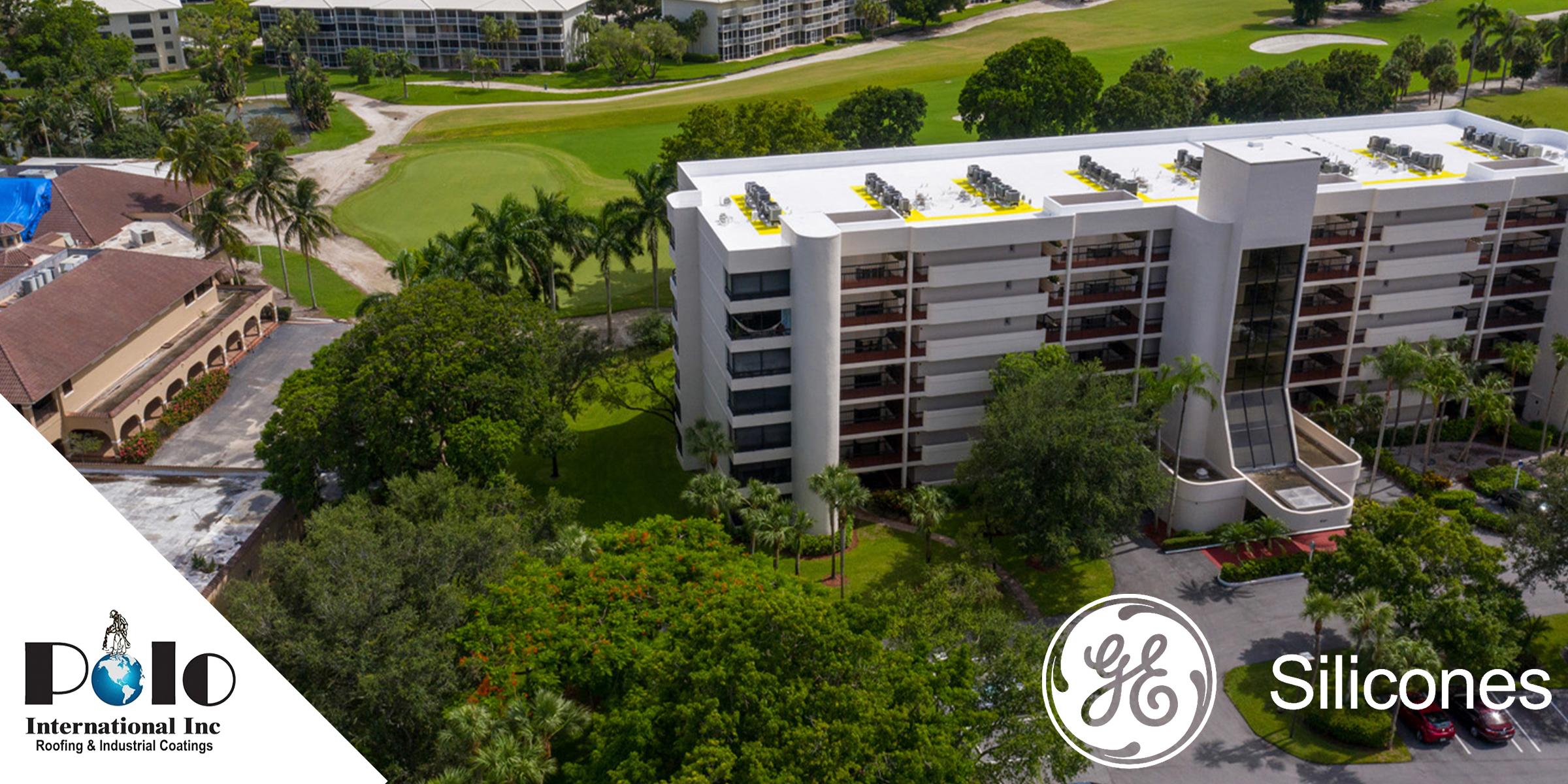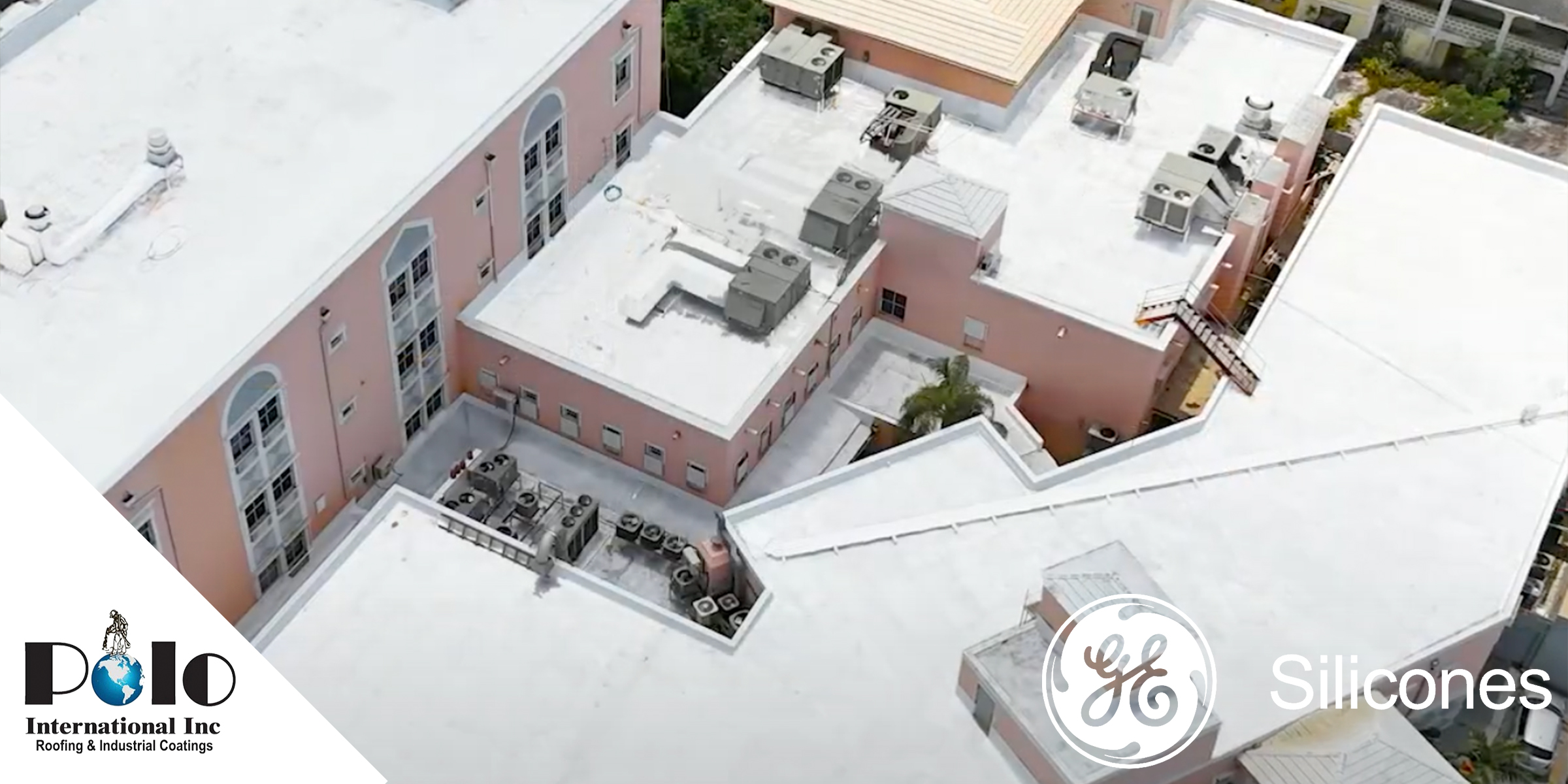
Does your old commercial roof need a facelift, but you’re concerned about costs and disruptions to business operations? Transforming outdated roofs with modern spray polyurethane foam (SPF) techniques might be the solution. At Polo International, we know that an effective roofing solution should minimize disturbances while enhancing building longevity. SPF roof coatings offer a seamless, protective barrier that can significantly extend the life of existing roofs. By providing superior insulation and waterproofing capabilities, they protect surfaces and contribute to energy efficiency.
When evaluating silicone roof coatings vs. traditional roofing, leading manufacturers like GE Silicone, Carlisle, and Henry Co. provide advanced SPF systems that adapt to different commercial roofing needs. Their innovative products ensure reduced maintenance costs and reflectivity that can lower cooling expenses. Whether managing a retail center in Chicago or an office building in Austin, SPF techniques offer a modern approach to meet your roofing challenges. As energy costs climb, investing in SPF-coated roofs is a proactive step towards sustainability and efficiency. Explore how this technology can revolutionize aging roofs into robust, eco-friendly assets for your property portfolio.
Efficient Modern SPF Techniques
In today’s roofing industry, the application of Spray Polyurethane Foam (SPF) coatings employs cutting-edge techniques designed for precision and efficiency. These methods encompass technologies and practices that enhance performance and extend the lifespan of commercial roofs. The question is: how does a polyurethane roof coating extend the life of a commercial roof?
An advancement in SPF roofing systems is the integration of computerized proportioning equipment. This equipment ensures that exact ratios of polyol and isocyanate—the two primary components of SPF—are consistently maintained during application. Such precision enables the creation of a durable, seamless foam layer that adheres perfectly to the roof substrate. This layer effectively reduces leak potential and boosts thermal insulating properties.
Advanced spray rigs have revolutionized application processes. Equipped with sophisticated pumps and control systems, they allow applicators to adjust pressure settings and flow rates with unmatched accuracy. This adaptability is essential for accommodating varying environmental conditions across different commercial rooftops. These benefits can be seen in cities like Houston or Denver, where climates can be extreme.
Another element in these modern techniques is the emphasis on operator training and certification. Leading SPF manufacturers, such as GE Silicone and Carlisle, provide extensive training programs and certification for applicators. These programs cover proper application techniques, safety protocols, and equipment handling, ensuring installations meet high standards. By adhering to these standards, property managers and building owners can expect a high-quality application.
Additionally, drones equipped with high-resolution cameras are employed for initial roof assessments and for documenting application processes. These unmanned aerial vehicles provide crucial data about roof conditions, enabling more informed decision-making and precise application strategies.
Comprehensive Benefits of SPF Applications
Implementing SPF coatings offers transformative energy efficiency benefits. Commercial buildings in high-temperature cities like Phoenix and Houston can significantly cut cooling costs. SPF acts as an insulator, helping maintain consistent interior temperatures, crucial for reducing HVAC load. Manufacturers like GE Silicone and Carlisle have developed products that optimize insulating properties, contributing to reduced energy consumption.
Another advantage of SPF is its seamless application, leading to water resistance improvements. Unlike traditional systems with seams and fasteners, SPF creates a monolithic surface adhering directly to the substrate. In rainy cities like Seattle or Portland, this dramatically reduces water ingress.
SPF’s ability to adhere to various substrates without requiring costly tear-offs is transformative. Particularly in urban areas like New York or Los Angeles, where labor costs are high, SPF minimizes disturbance to operations. The application process involves minimal downtime, allowing businesses to remain operational.
The versatility of SPF systems is showcased in adaptability to different roof shapes and surfaces. Whether dealing with flat, pitched, metal, or traditional built-up roofs, SPF provides a solution that conforms to unique building outlines while maintaining high insulation and waterproofing standards.
Additionally, SPF technology has evolved with environmental considerations in mind. Manufacturers like Everest Systems have developed products with reduced environmental impact, aligning with sustainability goals. Using low global warming potential (GWP) agents, SPF systems not only improve building efficiency but also contribute to carbon reduction initiatives.
Longevity and Maintenance
Long-lasting polyurethane roof coatings, especially those utilizing modern formulations, offer excellent durability and weather resistance. These coatings deliver a protective layer guarding against UV radiation and water ingress. Manufacturers like Manta ensure longevity with advanced chemical compositions. Properly maintained, polyurethane coatings can last several decades, providing a cost-effective solution to extend commercial roof life.
In conclusion, modern SPF techniques offer transformative benefits that redefine how old commercial roofs can be revamped. By focusing on energy efficiency, water resistance, versatility, and sustainability, SPF provides immediate relief and enduring value to building owners, easing maintenance burdens while enhancing overall performance. Embrace these advanced methods to transform aging roofs into resilient, energy-saving assets that contribute positively to building operations and environmental footprints.