
Do you know how much your commercial building’s roof influences your energy expenses? Traditional roofing materials often let heat penetrate through, forcing HVAC systems to run longer and driving up utility costs. Spray Polyurethane Foam (SPF) roofing offers a smarter approach: by creating a continuous thermal barrier, SPF roofs minimize heat gain and air infiltration, helping you take control of your energy bills.
Silicone Roof Coatings vs. Traditional Roofing
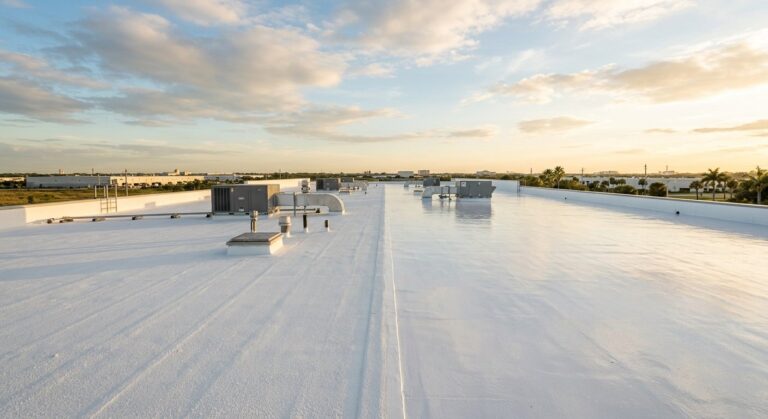
SPF systems combine a seamless insulating foam with a reflective silicone topcoat—often sourced from industry leaders such as GE Silicone and Carlisle—to maximize energy efficiency. In contrast, conventional roofs frequently suffer from thermal bridging, where joints and seams act as heat conduits. An airtight SPF application eliminates these weak points, maintaining stable indoor temperatures and reducing peak HVAC loads. In sun-intense markets like South Florida, this reflective barrier keeps the roof surface cooler, which lowers cooling costs.
The Role of Silicone Roof Coating Contractors
Selecting experienced silicone roof coating contractors is essential for realizing SPF’s full benefits. Skilled applicators ensure accurate mixing ratios, uniform foam layering, and precise topcoat thickness—each critical for achieving optimal reflectivity and insulation performance. Contractors familiar with brands like HENRY Co. and Everest Systems can also advise on the most suitable products for your facility’s climate and energy goals. Their expertise extends roof lifespan and minimizes future maintenance, further amplifying long‑term savings.
Long‑Term Financial Benefits and Incentives
Beyond immediate HVAC savings, SPF roofing delivers superior durability that outmatches many traditional assemblies. Its seamless nature resists wind uplift, ponding water, and UV degradation, reducing the frequency of repairs and full-system replacements. Those upfront savings are only part of the picture: federal and state rebate programs often reward energy‑efficient upgrades. Some utilities offer incentives for energy-saving roof upgrades, so ask yours before you start. Property managers leveraging these programs can achieve impressive returns on their SPF investment.
Conducting Energy Usage Analysis for SPF Roofing
A detailed energy usage analysis highlights SPF’s impact on your building envelope. Compare your utility bills before and after installation to see the change in your cooling costs. In humid climates like Miami or heat‑intensive regions such as Houston, this translates to meaningful cost savings. The closed‑cell structure of SPF traps air within micro‑cells, providing dual protection against conductive and convective heat transfer. In windy corridors like Chicago, where air infiltration drives up heating costs in winter, SPF’s airtight barrier also improves winter efficiency, offering year‑round value.
Integrating SPF Roofing into Your Maintenance Strategy
Incorporating SPF roofing into your regular maintenance plan ensures you sustain those energy savings. Regular inspections—ideally twice a year—can detect minor damage before it escalates, preserving the foam’s integrity and the reflectivity of the silicone topcoat. Addressing small issues promptly keeps your roof performing at peak efficiency and safeguards your building’s financial and operational health.
Takeaway
Rising energy bills don’t have to be an inevitable outcome of commercial operations. By installing an SPF roofing system paired with a high‑performance silicone coating from trusted manufacturers like GE Silicone and Carlisle, you create a robust thermal barrier that cuts HVAC run‑time and slashes energy expenses. Coupled with available rebates and long‑term durability, SPF roofing stands out as a forward‑thinking, cost‑effective solution for commercial property managers.
Contact a commercial roofing expert today to learn how SPF roofing can defend your building against rising energy bills and deliver lasting savings. Call (954) 782-5851 or request a quote.